
Imagine having to explain a mistake in a room where everyone knows one another except you. They recognize each other's families, understand the usual ways of speaking, and can ask someone familiar to vouch for them. You have only the account you brought with you.
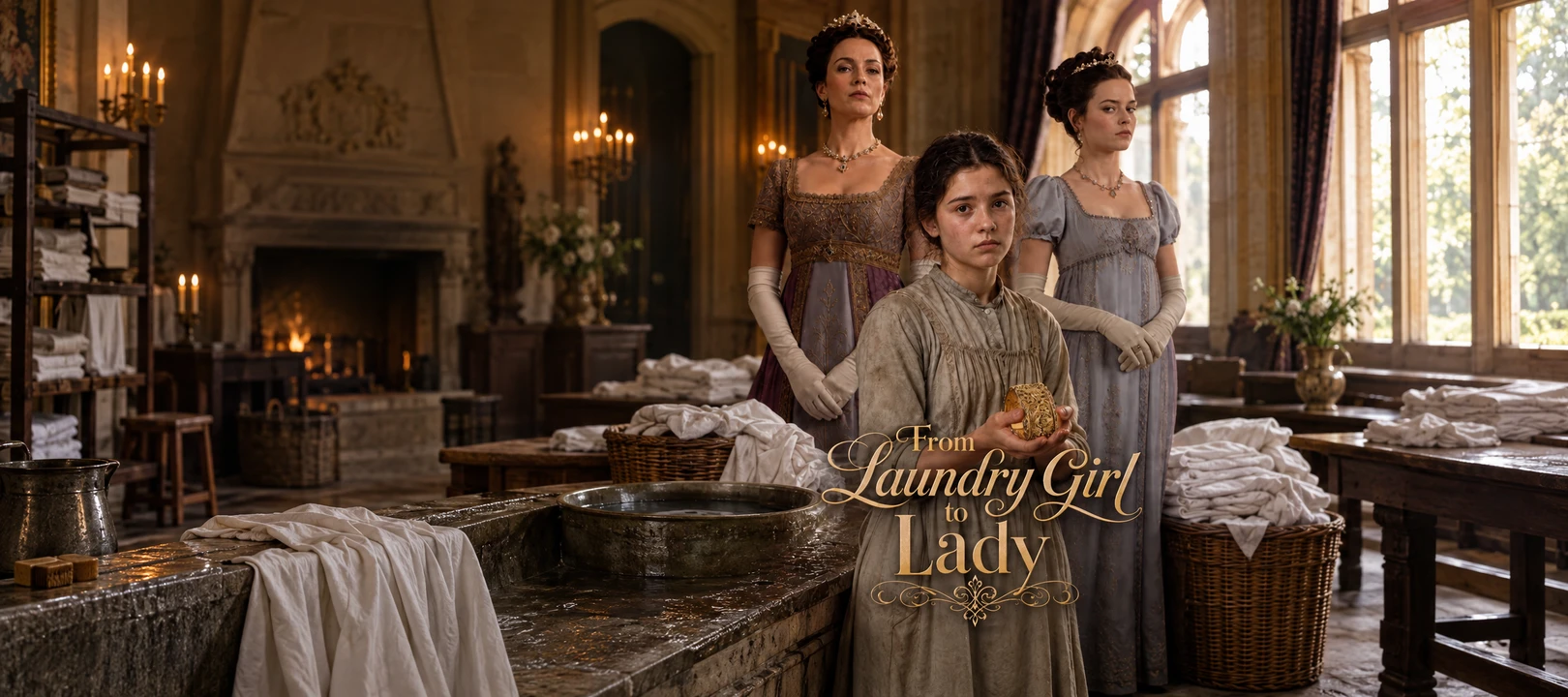
That imagined imbalance is a useful way into From Laundry Girl to Lady. Elsie is a poor laundry worker caring for her mother. A valuable heirloom brings her life into contact with a wealthy household, where the question of her character can be considered by people who know very little about her.
Money separates the two worlds, but so does familiarity. Being known can mean having someone willing to hear a second sentence before deciding what the first one meant.
Who gets time to explain
A fair hearing requires more than permission to speak. The listener must leave open the possibility that the answer will change their mind. Without that openness, a question can become a request to confirm a conclusion already reached.
Consider a hypothetical disagreement between an established customer and a new employee. The customer speaks confidently about years of loyalty. The employee is anxious and struggles to explain the order of events. If confidence alone settles the issue, familiarity has quietly become a substitute for attention to what happened.
There is no reason to assume either person is truthful simply because of their position. Fairness means allowing the uncertain speaker a full account and asking the familiar one real questions. It also means noticing when one person is being required to prove things the other is permitted merely to assert.
Elsie's starting circumstances make that unequal burden worth thinking about. Her need for money is information about her life. It cannot, by itself, tell another person what she will do. Treating hardship as a complete explanation leaves no room for the choices that make her an individual.
The same care belongs in the other direction. Wealth does not reveal every private motive either. An interesting class drama gives us reasons to examine people's conduct without letting their clothes or household position finish the examination for us.
Respect before a change in circumstances
The title From Laundry Girl to Lady invites us to think about movement between social worlds. It also raises a question about the starting point: how much respect should a person receive before anything about her circumstances changes?
Elsie's work is already part of a household's daily life. Clean clothes require someone's time and effort. The people benefiting from that labor have a reason to recognize the worker even when they have no further use for her story.
A tale of social advancement can be read with that existing worth in mind. Better clothes, money, or a new place at a table should not be necessary to make someone's account worth hearing. Otherwise, the hoped-for change in status risks becoming the condition under which we finally allow ourselves to care.
That perspective leaves the drama room to unfold without reducing Elsie to an example of hardship. She can have wishes, doubts, and judgments of her own. Being listened to means allowing those details to complicate the label other people place on her.
As you enter her world, pay attention to the terms on which people are heard. Who is allowed to pause, qualify an answer, or disagree? Whose uncertainty is treated generously? A household can reveal its standards through those small permissions long before anyone announces what they believe about fairness.